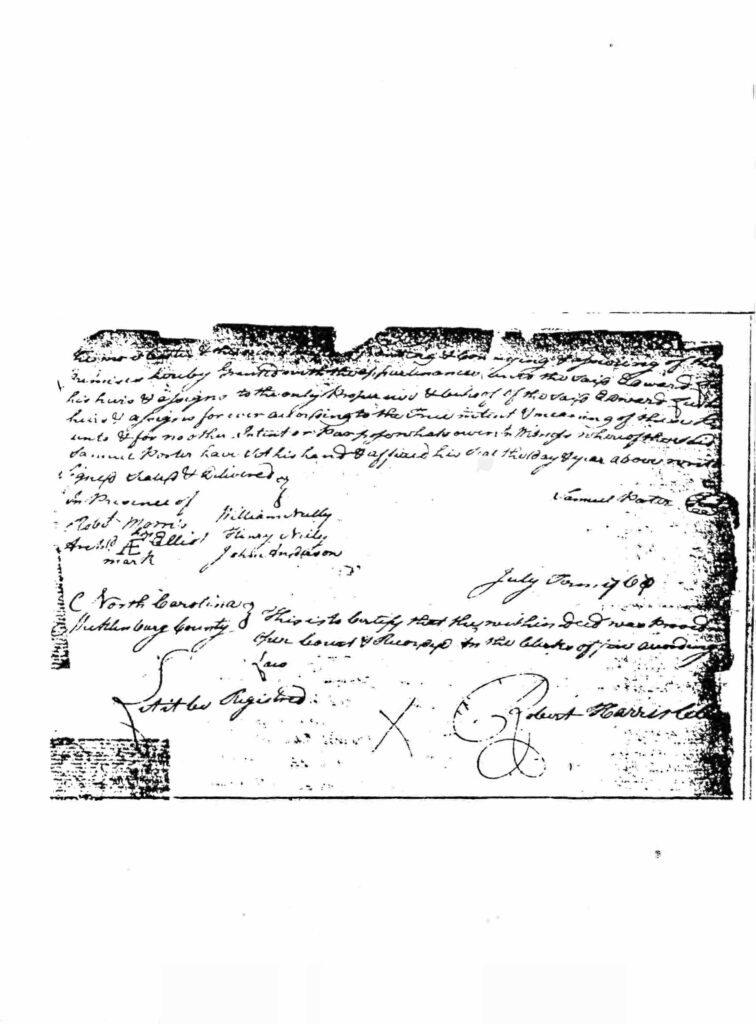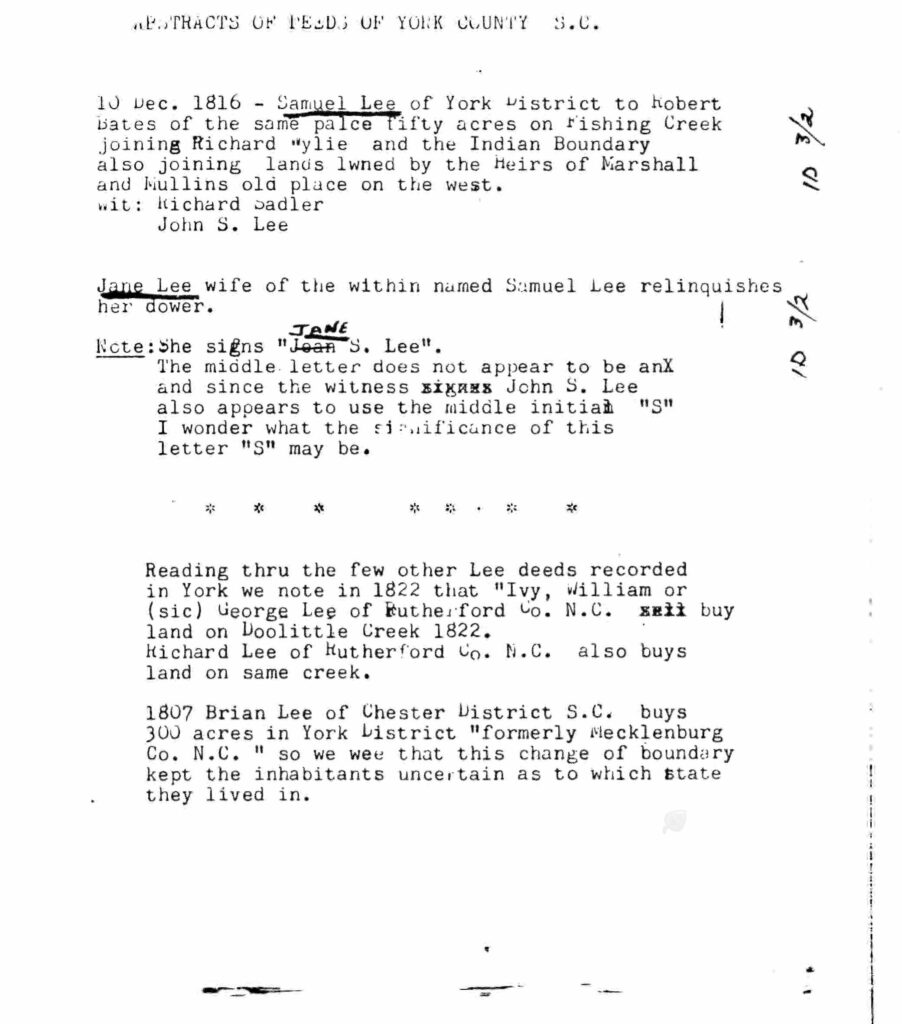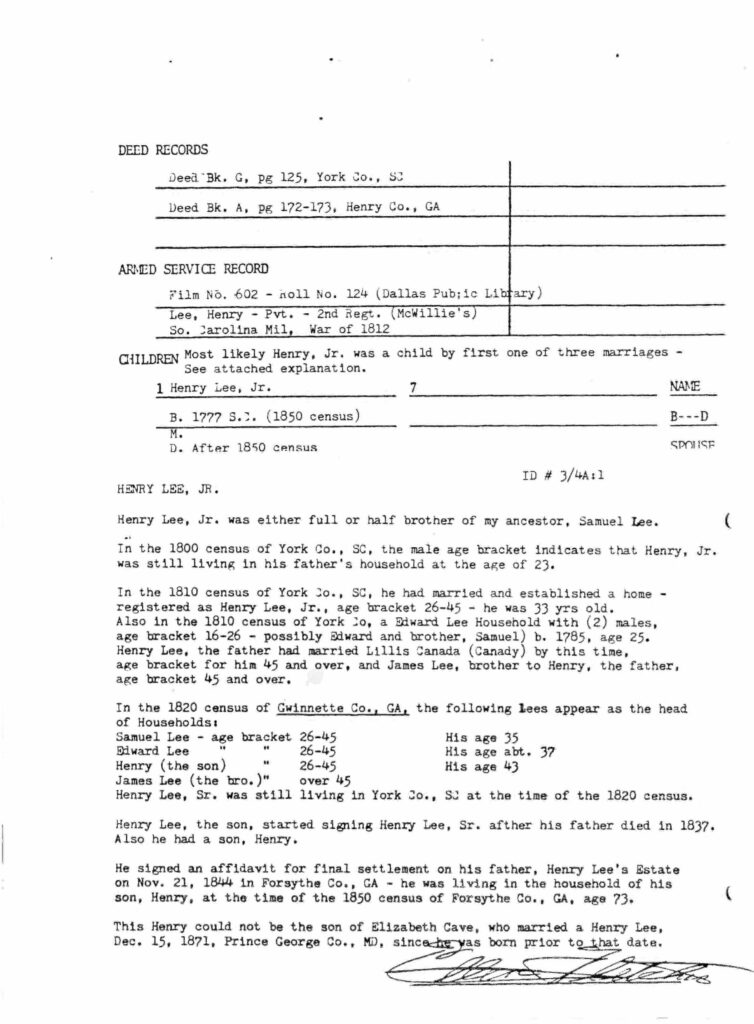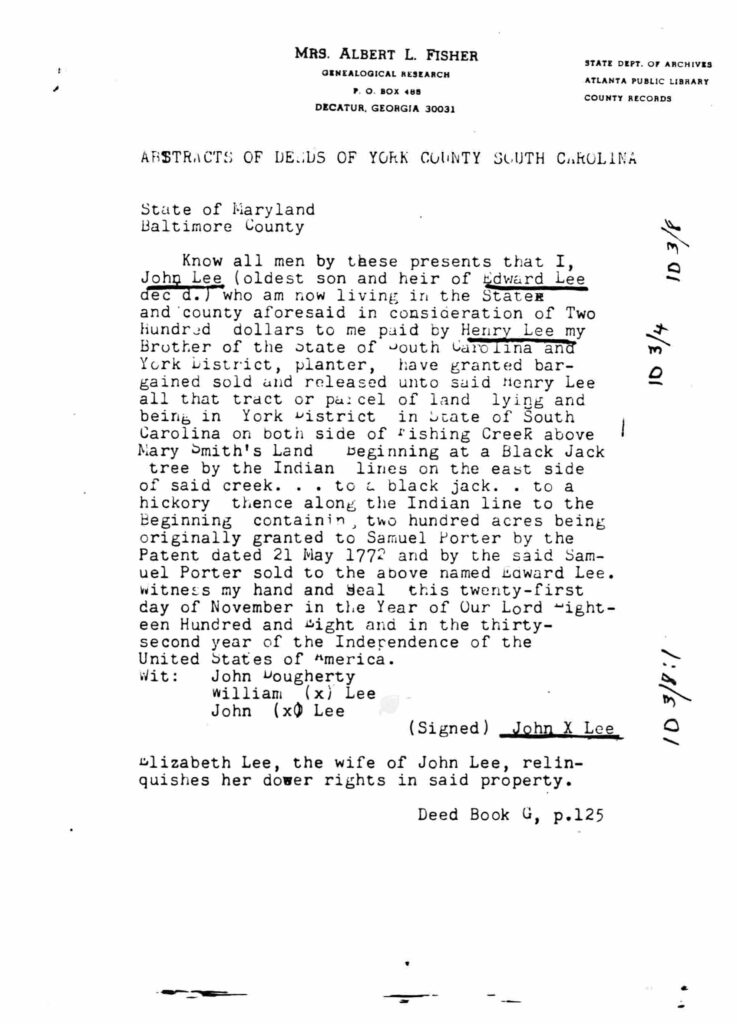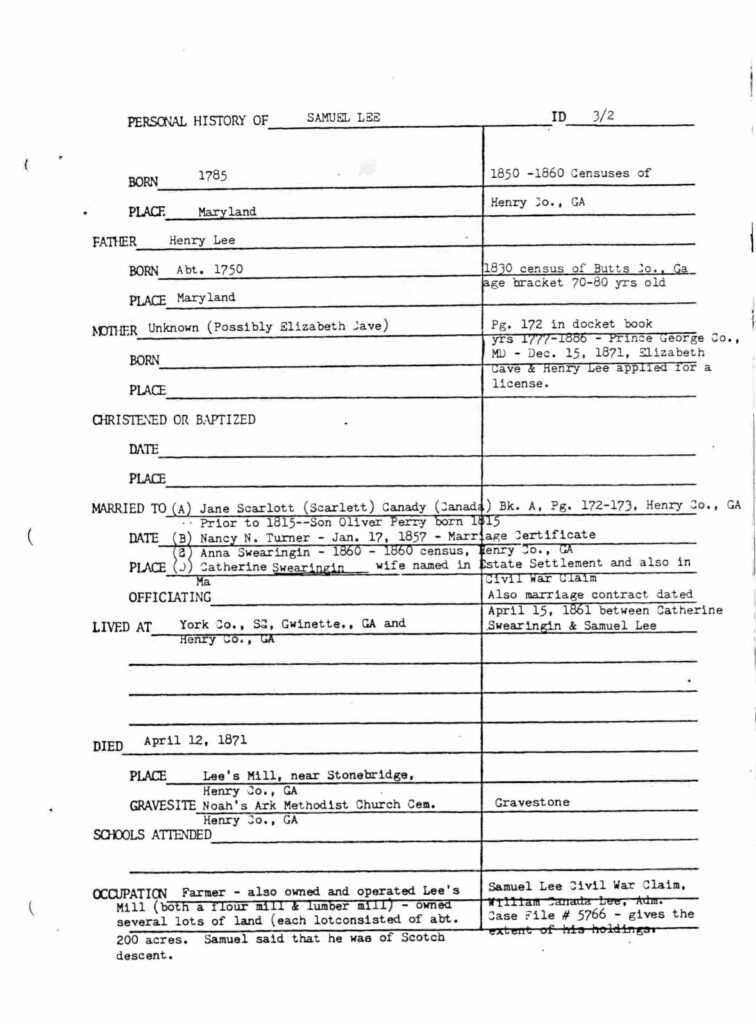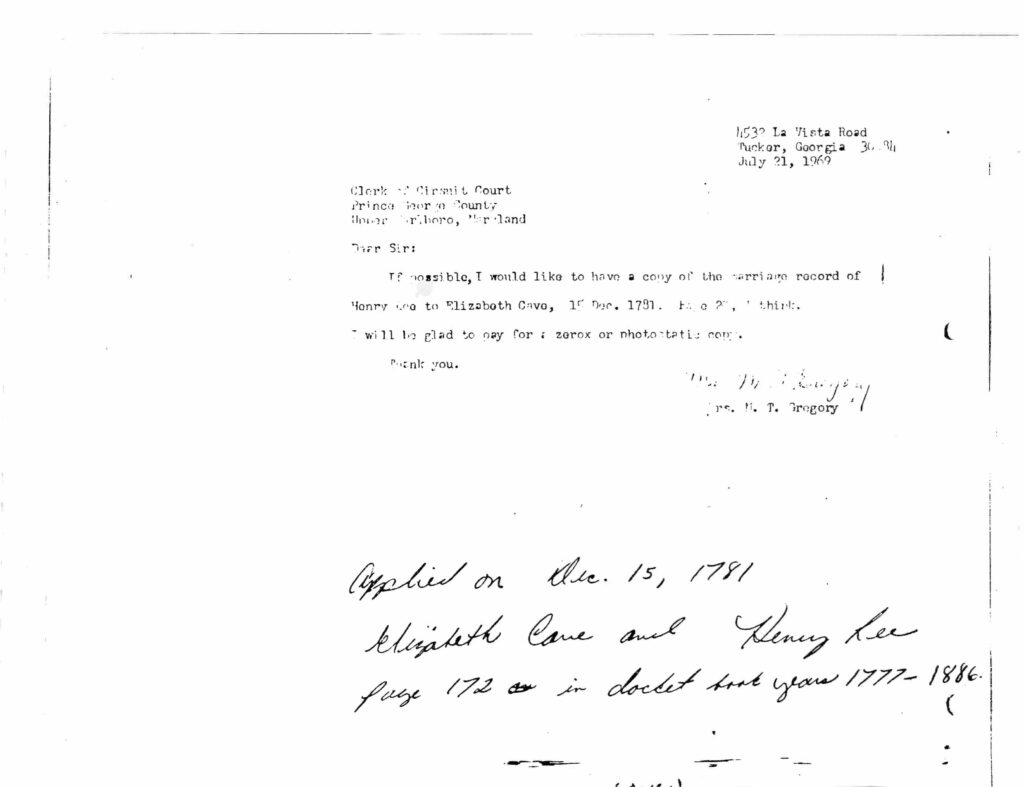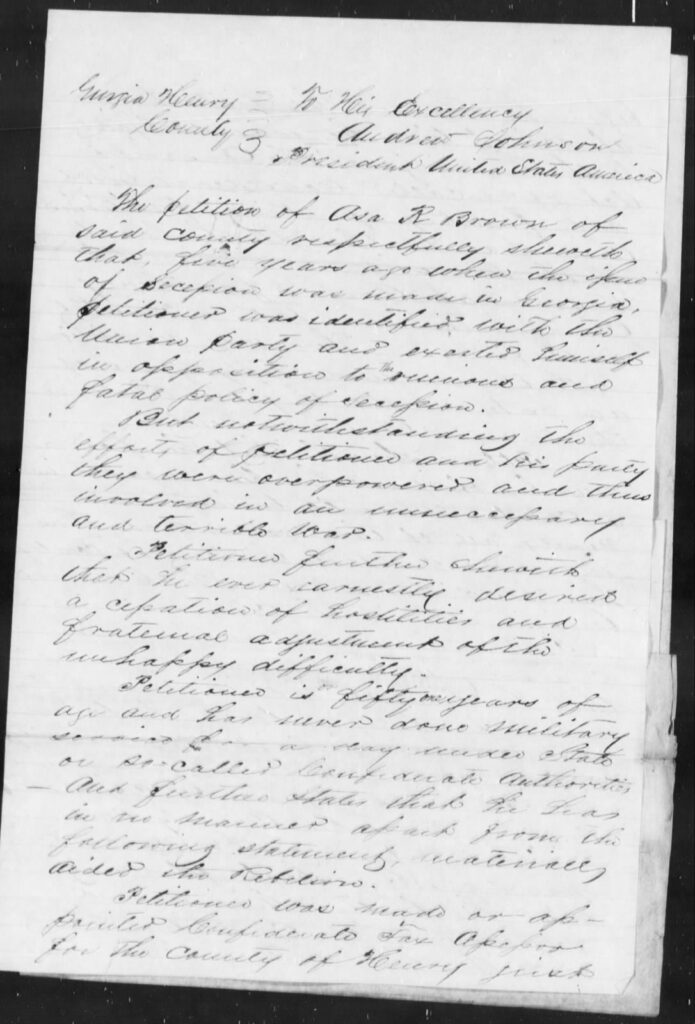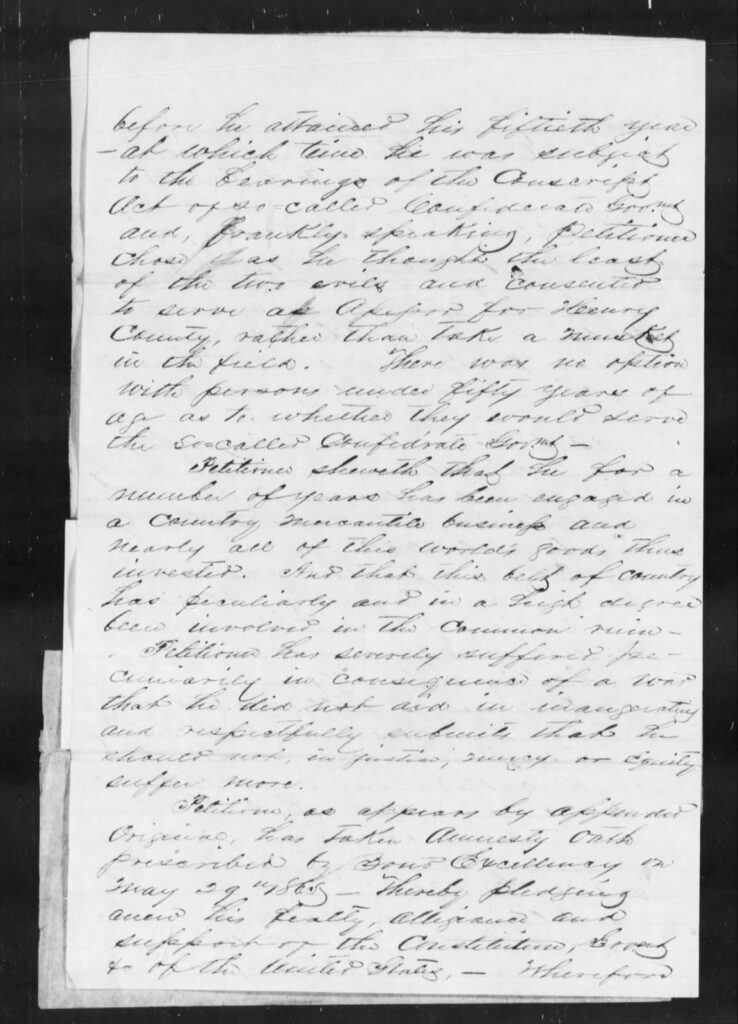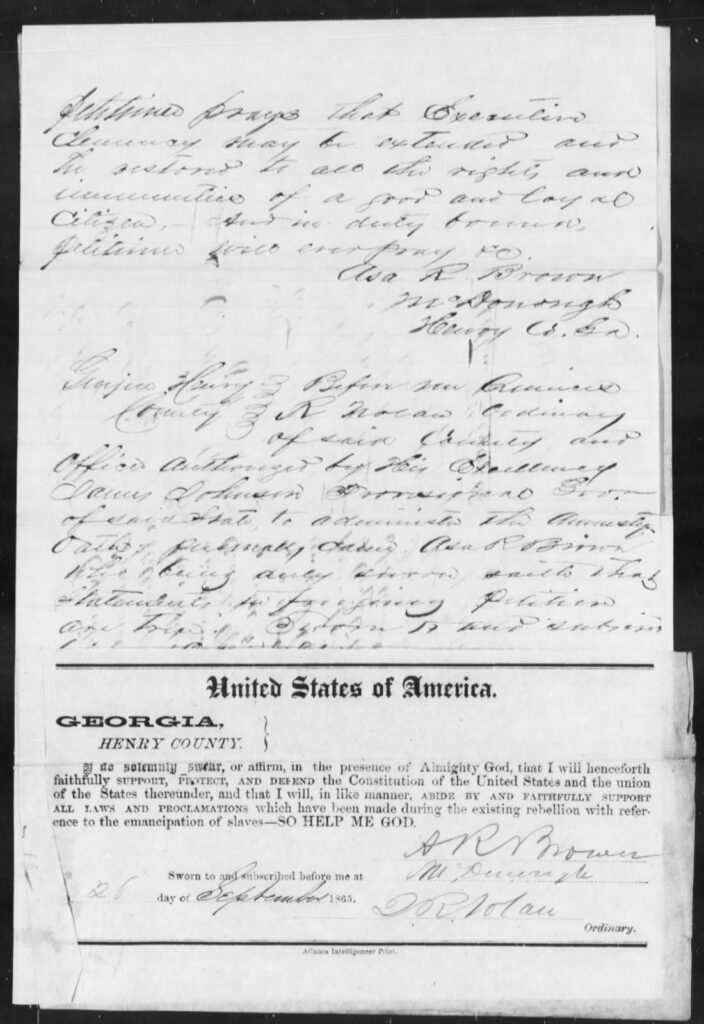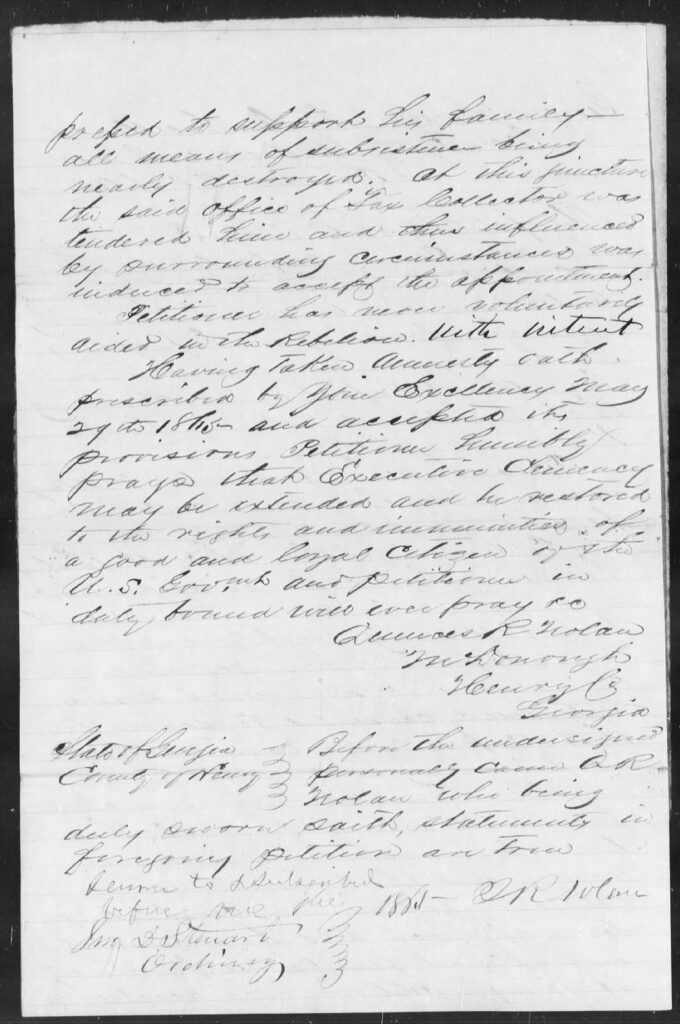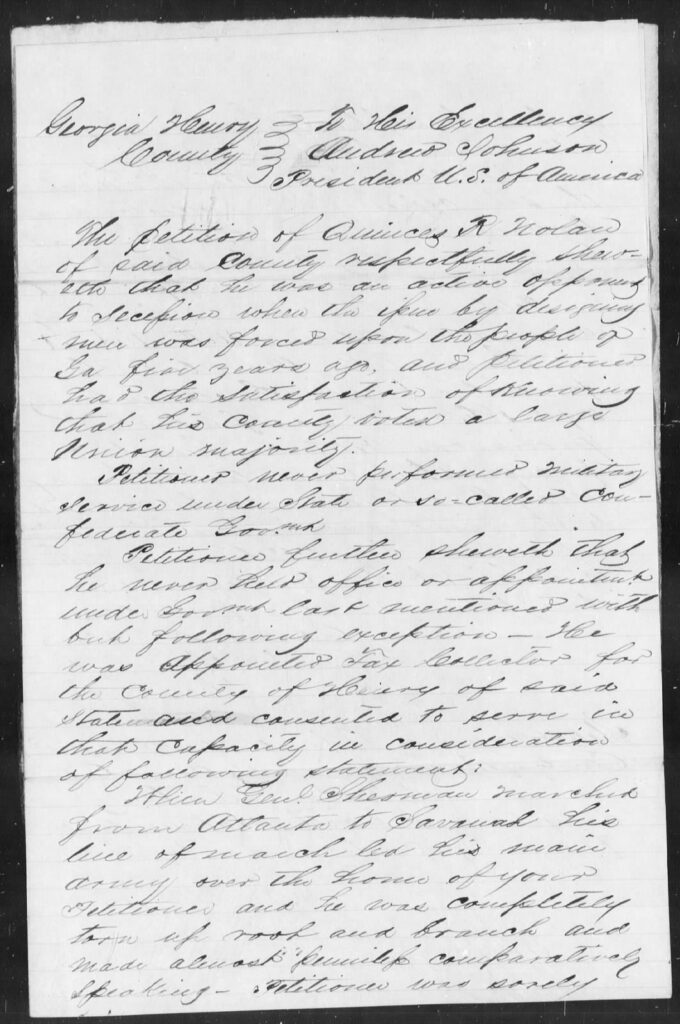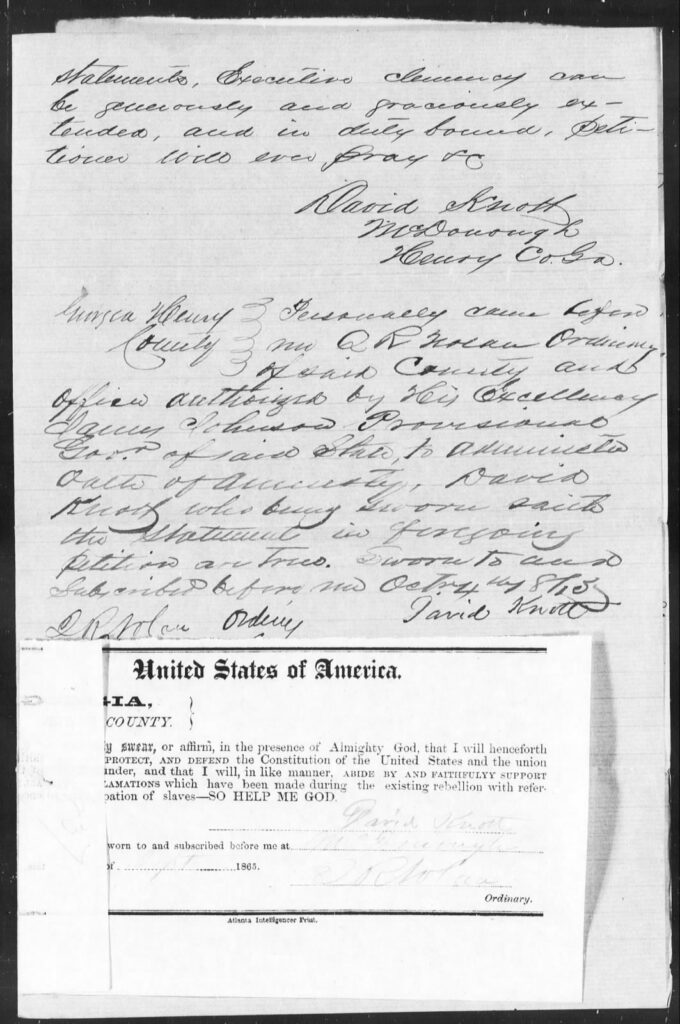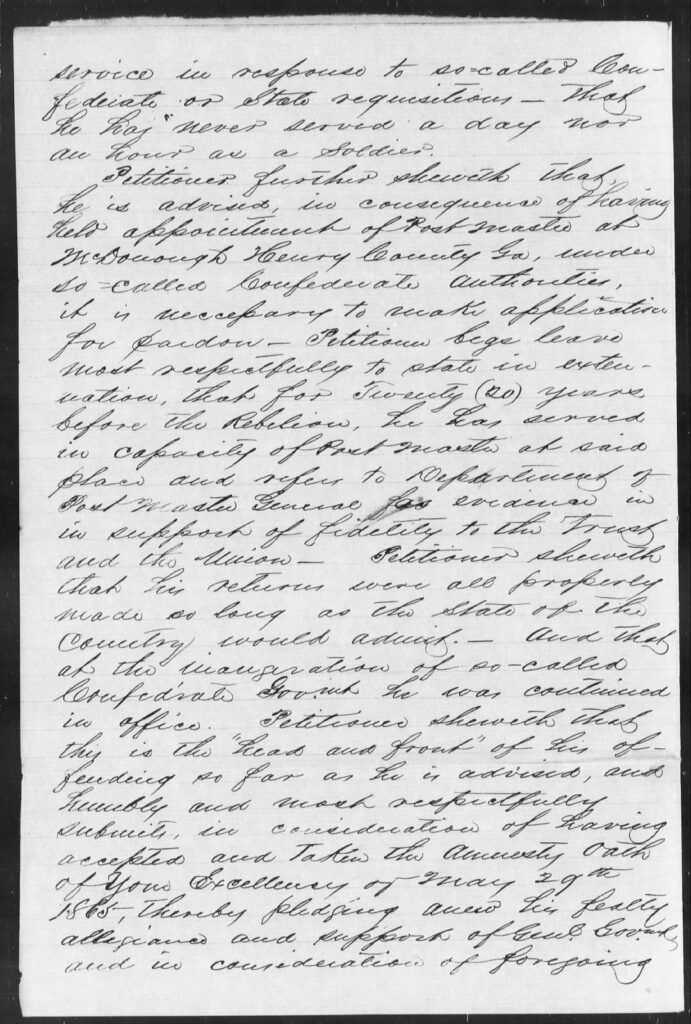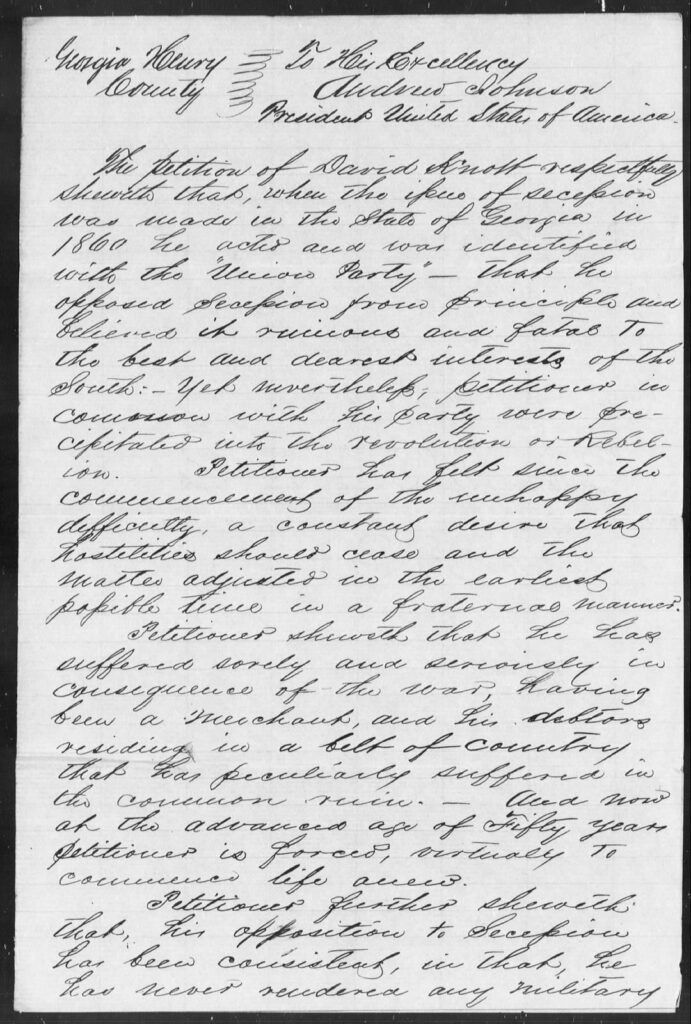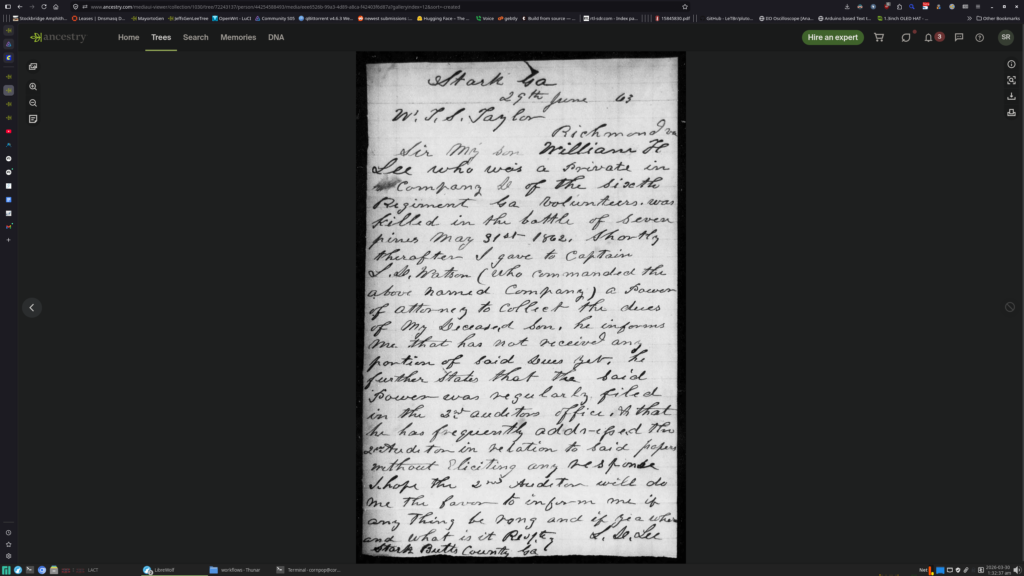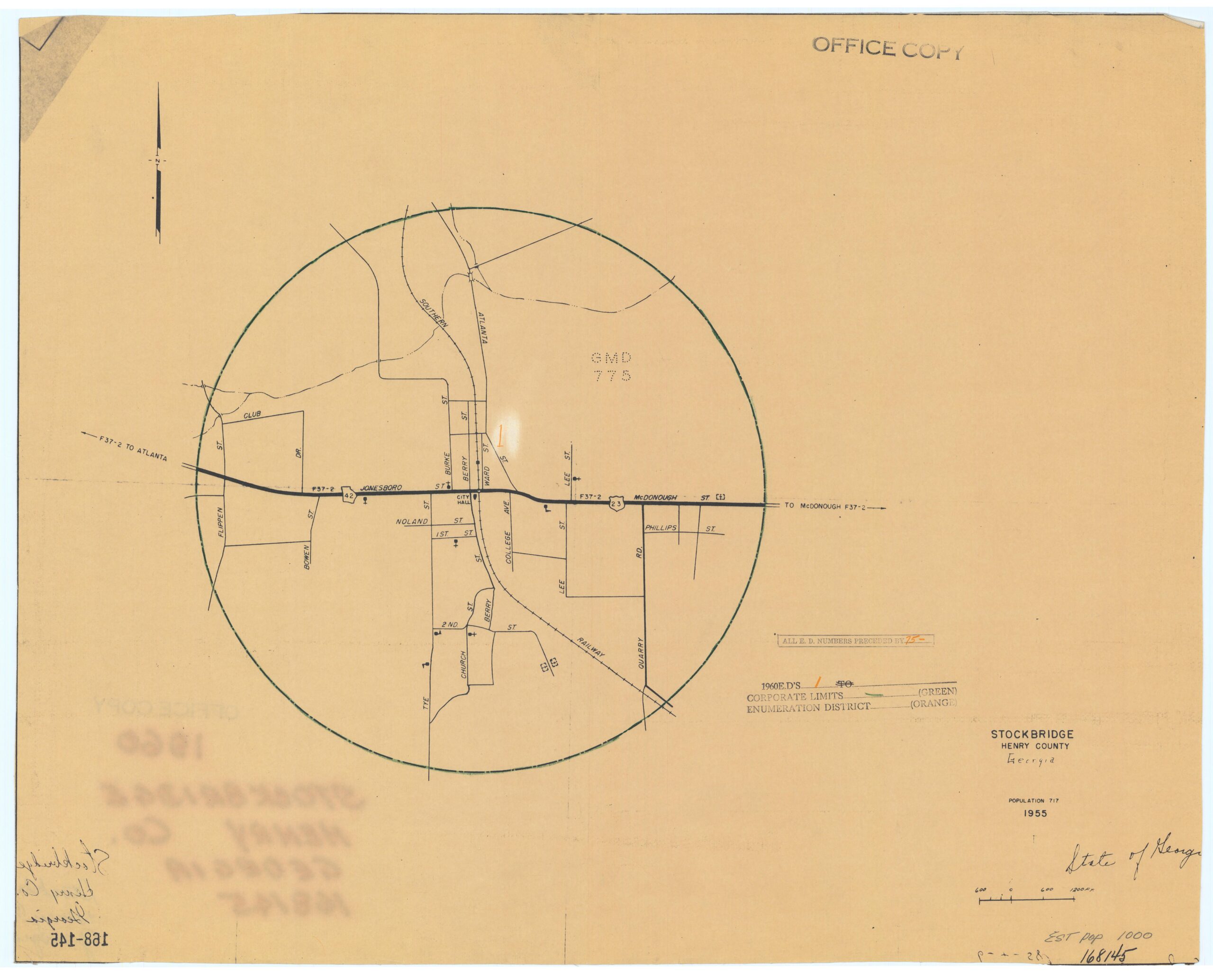
There’s no real point in telling you about how these people voted and preached against the secession of 1861. This renaming happened to interfere with a lucrative real estate market offer on the now renamed street. So, knowing this only has to do with love of money and distaste for legacy downtown residents. Anyway, here’s what they took away from you.
In the heart of Stockbridge, a city currently wrestling with a multi-million dollar “failure of process” and the fallout of its own growth, a modern-day battle for the soul of history is being waged on the asphalt of Lee Street. What began as a high-minded proposal to honor Dr. Martin Luther King Jr. has instead exposed a startling lack of historical due diligence by a City Council more focused on “political optics” than the complex, nuanced reality of the very land they govern.
For months, the narrative pushed from the podium at City Hall was a familiar one: Lee Street, a central corridor in the historic downtown, was a relic of the Confederacy, a tribute to General Robert E. Lee that required purging to align with the city’s evolving cultural values. City staff initially claimed that research pointed toward the street being named after the Confederate general, a sentiment echoed by those seeking to remove symbols of the Old South. However, as the light of investigative scrutiny was turned toward these claims, the “Confederate” rationale crumbled, revealing that the city was prepared to erase a legacy of a entirely different sort: a history of fierce Piedmont Dissent and a family that stood for the Union when the rest of the state was marching toward revolution.
The Unionists the Council Almost Erased
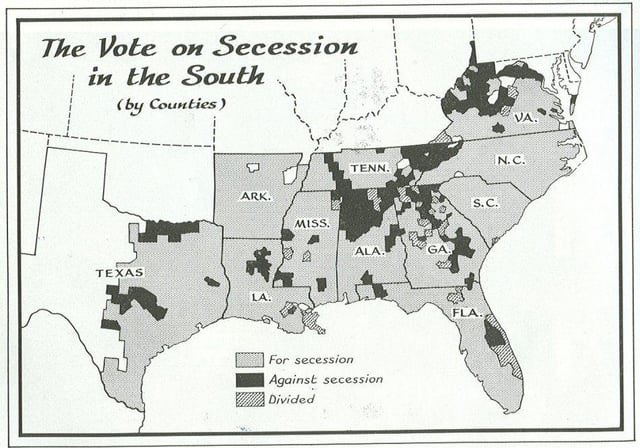
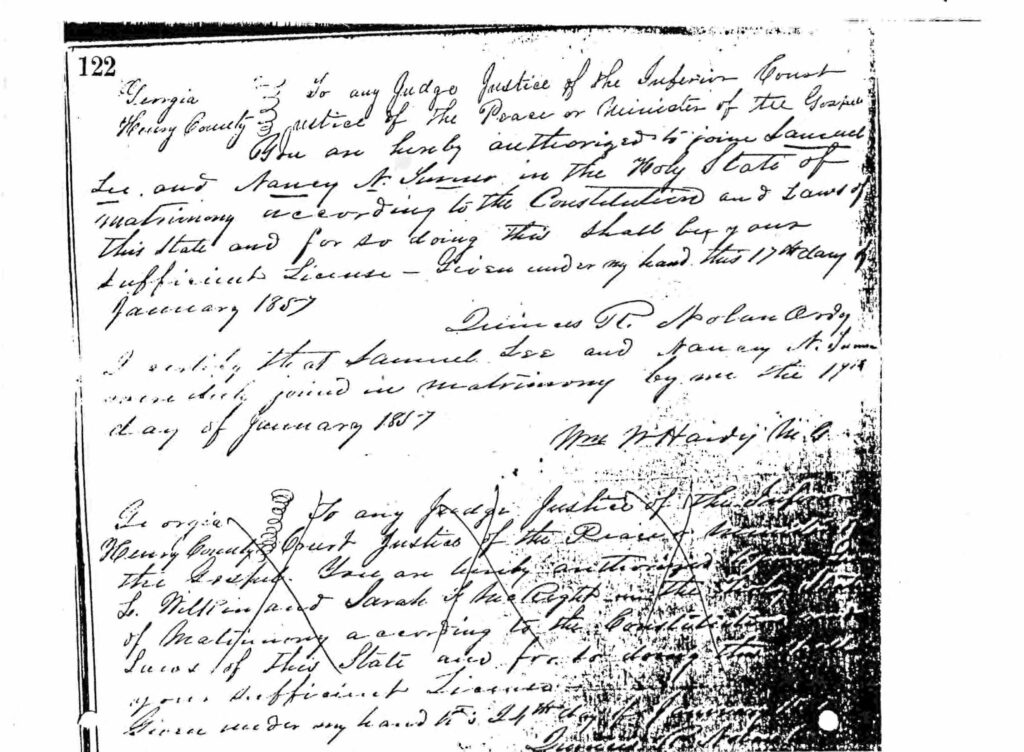
The historical record—long ignored or mischaracterized by city leadership—reveals that the “Lees” of Henry County were not the standard-bearers of the Confederate cause. Samuel Lee (1785–1871), the family patriarch and mill owner, was documented as “militantly Unionist” during Georgia’s secession crisis. Far from a silent observer, Lee was known for “openly preaching against secession to his neighbors,” a dangerous act of dissent in the 1860s. His convictions were formally memorialized in his post-war Civil War Claim, a record typically reserved for Southern loyalists who maintained their allegiance to the United States throughout the conflict.
This was not an isolated sentiment. Henry County itself was a bastion of “cooperationist” philosophy. In the critical popular election of 1861, county voters initially sent a delegation to Milledgeville that was two-thirds opposed to immediate secession. Two of those delegates, Francis E. Manson and E. B. Arnold, remained steadfast, casting courageous “No” votes against the Ordinance of Secession under immense social pressure. When the Council proposed renaming Lee Street under the guise of removing a Confederate namesake, they were inadvertently proposing to bury the memory of the very people who shared the Unionist values they now claim to champion.
The confusion deepens when examining the mid-twentieth-century figure most closely associated with the street’s development: Mayor Robert E. Lee, affectionately known as “Uncle Bob,” who served from 1927 to 1952. While sharecroppers like James King—father of “Daddy King”—were struggling under the weight of the New South’s racial injustices, Mayor Lee was the man who “electrified, gasified, irrigated, and paved Stockbridge”.
The council’s rush to rename the street ignored the unique geographic unity of this era. Mayor Lee lived adjacent to Floyd Chapel Baptist Church, where Martin Luther King Sr. preached his first sermon. Residents have pointed out that under Lee’s mayorship, the Green Front Cafe operated as a place where people of all races ate “together under the same roof,” a rare island of fellowship in a fractured era. To rename the street is to damage a legacy that saw the birth of the King family’s influence alongside a mayor who helped build the city’s physical foundation.
The “Table” of Shame
When these facts were finally presented to the Council, the reaction was not one of humility or a pivot to historical preservation, but a retreat into procedural delay. Council members, realizing the “Confederate” narrative was factually bankrupt, moved to “table” the issue, claiming a need for more research despite staff admitting they had already “exhausted all measures” and found no evidence linking the street to the Confederate general.
This maneuver has been criticized by residents as a “deception”. As one resident, me, noted during public comments, when a city “lies about why a street needs renaming,” it suggests the change is more about political posturing than genuine honor. The Council’s decision to postpone rather than reject the motion on its merits demonstrates a refusal to reckon with the “errors of erasing history”.
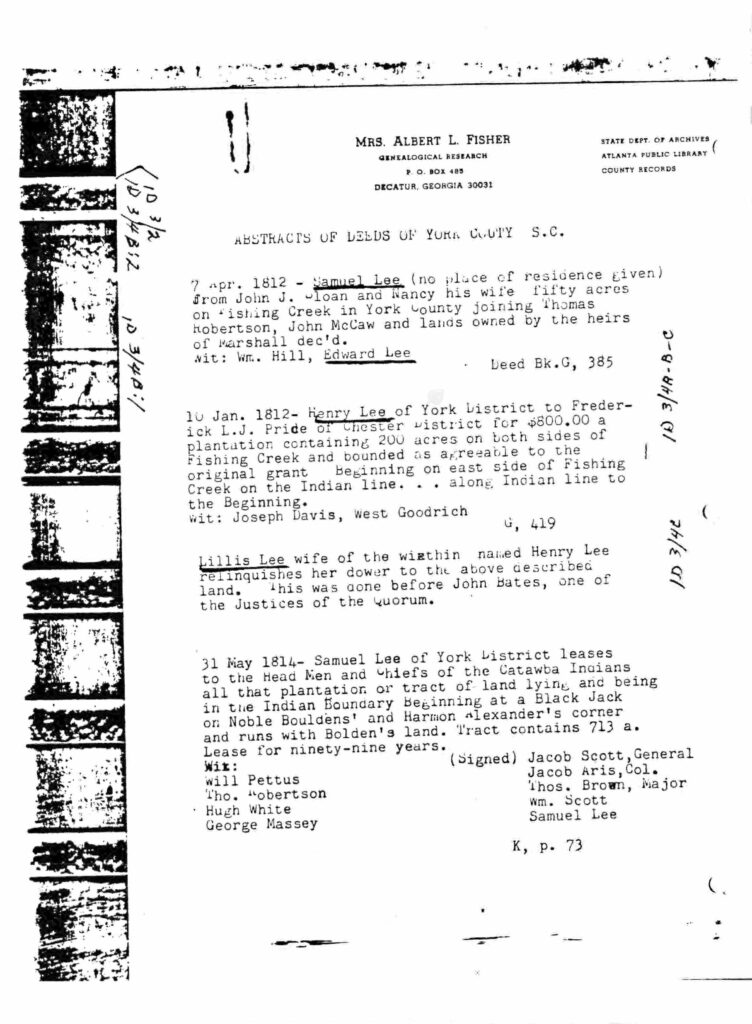
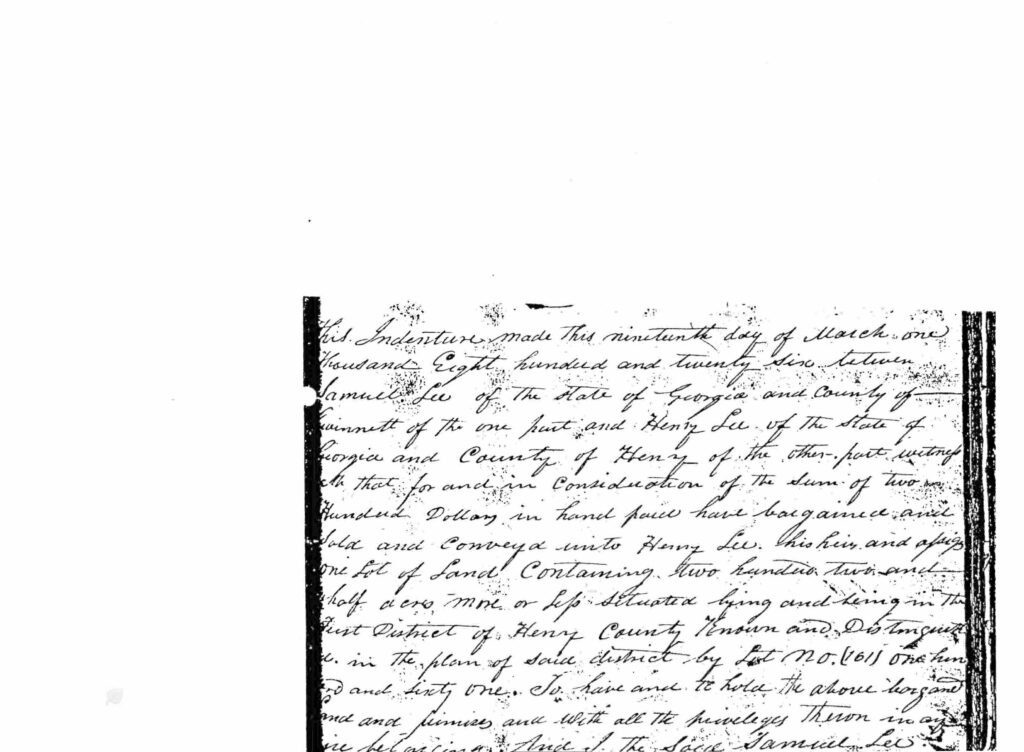
The City’s own 2026 report eventually conceded that the street existed by at least 1918, long before the commemorative trends of the mid-century, and was almost certainly tied to local land ownership and the prominent Lee family who occupied the corridor for over 70 years.
By trading a locally rooted history of Unionist dissent and municipal street name for a symbolic renaming based on a false premise, the Stockbridge City Council risks repeating the greatest error of the eras they study: the convenient fabrication of history to suit the narrative of the present. True honor for Dr. King, as residents argued, requires more than a new sign; it demands an honest confrontation with the truth of the ground Stockbridge is built upon.
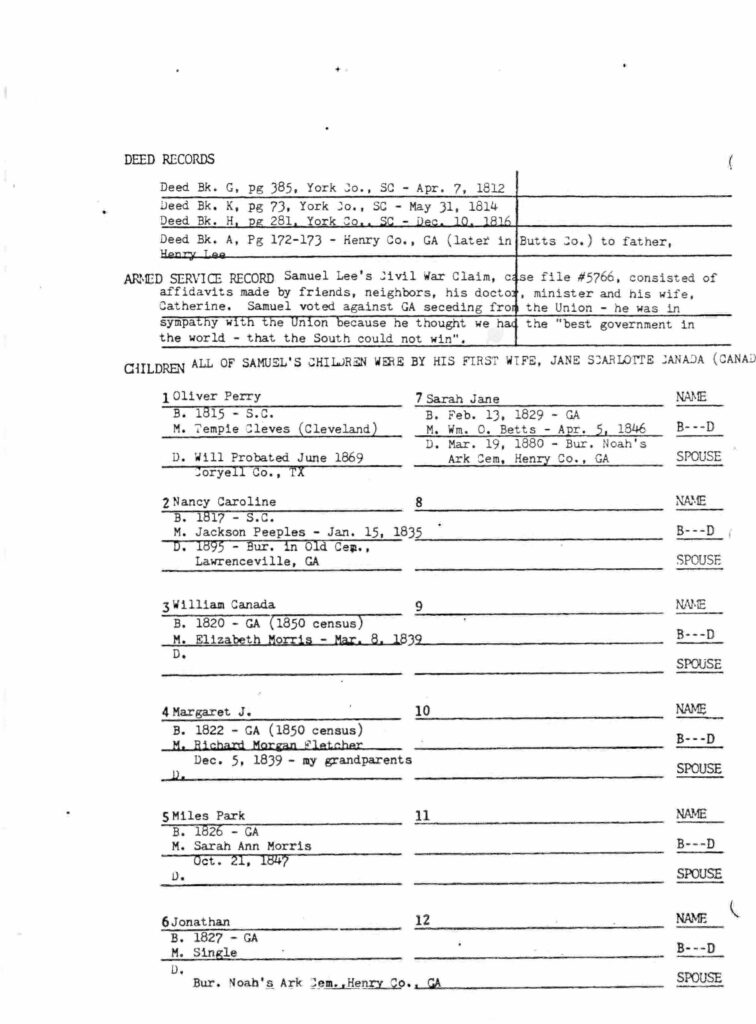
To understand the true character of the man the Stockbridge City Council so nearly erased, one must look past the lazy assumptions of modern naming debates and into the “militantly Unionist” heart of 1860s Henry County. Samuel Lee was not a silent dissenter; he was a man who used his standing as a mill owner and farmer of “Scotch descent” to vocally challenge the revolutionary fever that was tearing his state apart.
The historical record—specifically his post-war Civil War Claim (Case File #5766)—reveals a legacy of “openly preaching against secession to his neighbors”. This was no small feat in a time of radical fervor. Lee’s voice represented what historians call the Piedmont Dissent, a sophisticated and often dangerous opposition to the coastal planter elite who were driving the state toward a conflict Lee believed was both unnecessary and unwinnable.
The Philosophy of the “Best Government”
Lee’s “preaching” was rooted in two primary convictions. First, he was a constitutionalist who believed that the United States was the “best government in the world”. For him, Unionism was not merely a political preference but a commitment to the American compact that had provided the stability for his family and his business to thrive.
Second, Lee was a hard-eyed pragmatist. While others were swept up in the romanticism of a Southern revolution, he told his neighbors plainly “that the South could not win”. His dissent was a warning to his community that they were trading a proven, functional democracy for a high-risk gamble led by radical voices that did not share the interests of the Middle Georgia “Plain Folk”.
The Dissenters of the Piedmont Region
- Quincey R. Nolan: A fierce opponent of the “designing men” who forced secession upon Georgia, Nolan identified early and explicitly with the Union Party. He took great satisfaction in the fact that Henry County initially voted for a “large Union majority” when the issue of secession was first put to the people. His home was eventually “completely torn up roof and branch” by the very Union army he had sympethized with, leaving him almost penniless. He only consented to serve as a Confederate Tax Collector under extreme duress to support his family after his means of subsistence were nearly destroyed.
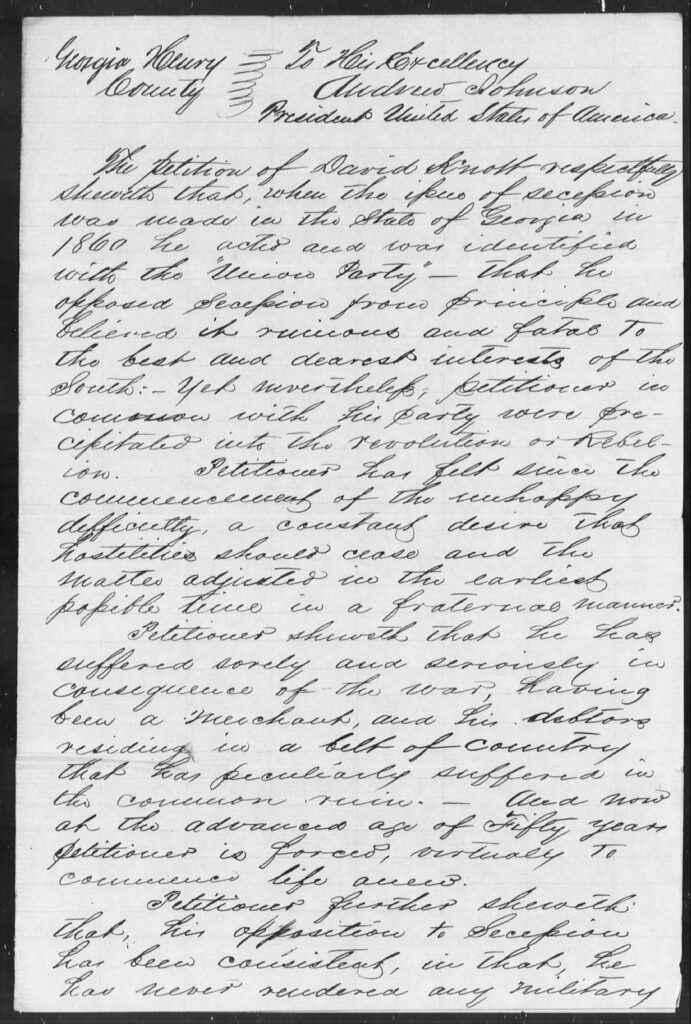
- David Knott: A McDonough merchant who identified with the Union Party in 1860, Knott argued that secession was a “ruinous and fatal” policy for the best interests of the South. He maintained a record of consistent opposition, never serving even “an hour as a soldier” for the Confederate cause. Knott’s primary “offense” in the eyes of the Union was continuing his 20-year career as Postmaster under Confederate authorities, a role he had faithfully performed for the United States long before the rebellion. He viewed the Confederate government as merely “so-called” authorities and pledged his renewed fealty to the Constitution as soon as the conflict ended.
- Asa R. Brown: Another stalwart of the Union Party, Brown exerted himself in vocal opposition to secession, which he viewed as a disastrous error. He reached his fiftieth year during the conflict without ever performing a single day of military service for the “so-called Confederate Authorities”. Brown admitted with refreshing bluntness that he only accepted an appointment as a Confederate Tax Assessor to escape the “Conscript Act,” choosing civilian service as the “least of the two evils” over taking a musket into the field. He pleaded for executive clemency on the grounds that he had been a victim of a war he did not aid in inaugurating.
- Francis Epps Manson and E. B. Arnold: These men were the political vanguard of Henry County’s “cooperationist philosophy” during the 1861 popular election. Sent to Milledgeville as part of a delegation that was two-thirds opposed to immediate secession, they remained steadfast when others faltered. On the final, critical vote for the Ordinance of Secession on January 19, 1861, both Manson and Arnold cast “No” votes. They were part of a courageous minority of 89 delegates who refused to endorse the dissolution of the Union despite immense social and psychological pressure.
- Edwin A. Wright: A member of an influential family that included Confederate Congressman Augustus Wright, Edwin represented the extreme end of Piedmont dissent. While his brother Augustus eventually chose to “go with his state,” Edwin and his brother Moses vowed never to support the Confederacy. Edwin eventually fled north to Cincinnati in early 1865, where he took the radical step of enlisting in the Union Army for three years. His family was so embarrassed by this voluntary defection to the North that they spent decades constructing a “Lost Cause” mythology to hide the truth of his Unionist service.
Lee was not a lone voice in the wilderness. His preaching aligned with a powerful “cooperationist philosophy” that dominated Henry County during the secession crisis. In the popular election of January 1861, county voters initially sent a delegation to Milledgeville that was two-thirds opposed to immediate secession. Lee’s neighbors, Francis E. Manson and E. B. Arnold, were among the courageous minority of 89 delegates who remained steadfast, casting final “No” votes against the Ordinance of Secession under immense social and psychological pressure.
The weight of Lee’s Unionism is formally preserved in the affidavits that supported his post-war claims. Friends, neighbors, his doctor, his minister, and his wife, Catherine, all testified to his unwavering loyalty to the United States throughout the conflict. These documents represent a rare victory for historical truth, proving that he maintained his allegiance even as the world around him succumbed to the tide of revolution.
The Error of Erasing Dissent
For a modern City Council to initially characterize a street named after such a family as a tribute to the Confederacy is a profound “error of erasing history.” By failing to do the due diligence—until citizens brought the facts to the podium—they nearly buried the memory of a man who actually stood for the very values of unity and democratic integrity they now claim to represent.
Samuel Lee’s grave at Noah’s Ark Methodist Church Cemetery serves as a final testament to a man who prioritized regional stability and constitutional loyalty over the “radical tide of Confederate revolution”. His life reminds us that history is rarely a monolith; it is often found in the dissenting voices of the “Plain Folk” who had the courage to preach for the Union when the rest of the state was marching toward ruin.
Bibliography
Just a few sources I used to get to know these people. It doesn’t go unnoticed our Community Development Director can’t pronounce the word Genealogy. The presentation and history report found in the March 31 agenda wasn’t presented or discussed.
The Documentary Record of Stockbridge and Henry County
- AbeBooks. “Henry County, Georgia: The Mother of Counties by Vessie Thrasher Rainer.” https://www.abebooks.co.uk/Henry-County-Georgia-Mother-Counties-Vessie/32405657083/bd.
- Access Genealogy. “Native American History of Henry County, Georgia.” https://accessgenealogy.com/georgia/native-american-history-of-henry-county-georgia.htm.
- Atlanta History Center / Kenan Research Center. “Tye family Finding Aids.” https://aspace-atlantahistorycenter.galileo.usg.edu/agents/families/293.
- Emerging Civil War. “The Hero & The Ghost: An Account of a Divided Family.” https://emergingcivilwar.com/2020/03/21/the-hero-and-the-ghost-an-account-of-a-divided-family/.
- FamilySearch. “John Lewis Tye (1859–1935) – Ancestors.” https://ancestors.familysearch.org/en/KZ7C-2DJ/john-lewis-tye-1859-1935.
- Georgia Department of Community Affairs. “DADDY KING: STOCKBRIDGE SHAPES A LEGACY OF LOVE.” https://dca.georgia.gov/document/newsletters/november-2016-reflectionspdf/download.
- Georgia Historical Society. “The Orphan Brigade, Henry County.” https://www.georgiahistory.com/ghmi_marker_updated/the-orphan-brigade-henry-county/.
- Georgia Historical Society. “The Right Wing at Stockbridge.” https://www.georgiahistory.com/ghmi_marker_updated/the-right-wing-at-stockbridge/.
- Georgia Historic Newspapers. “The Henry County Weekly, April 24, 1908, Image 17.” https://gahistoricnewspapers.galileo.usg.edu/lccn/sn89053246/1908-04-24/ed-1/seq-17/ocr/.
- Georgia Historic Newspapers. “The Henry County Weekly, April 24, 1908, Image 21.” https://gahistoricnewspapers.galileo.usg.edu/lccn/sn89053246/1908-04-24/ed-1/seq-21/.
- Georgia State Parks / Department of Natural Resources. “Pickett’s Mill Battlefield State Historic Site.” https://gastateparks.org/PickettsMillBattlefield.
- HB Brantley Enterprises. “PROJECTS.” https://hbbrantley.com.
- Henry County Times. “Henry County As It Was.” https://www.henrycountytimes.com/2019/01/17/henry-county-as-it-was-15/.
- History of the Georgia National Guard. “The Macon Volunteers: 1825-2025: The Macon Volunteers in the American Civil War.” http://www.georgiaguardhistory.com/2025/04/the-macon-volunteers-1825-2025-macon.html.
- The Macon Melody. “Tubman Museum director booted from Stockbridge amphitheater management job.” https://maconmelody.com/tubman-museum-director-booted-by-stockbridge-city-council-as-amphitheater-manager/.
- Stockbridge City Council. “September 30, 2025 Meeting Agenda / Financial Documents.” https://stockbridgega.portal.civicclerk.com/event/2910/files/attachment/10351.